
Multi-Pet Grooming Made Simple: How to Manage Cats and Dogs in One Household


Real-life systems for shedding, hygiene, and calmer grooming—built for homes with both cats and dogs.
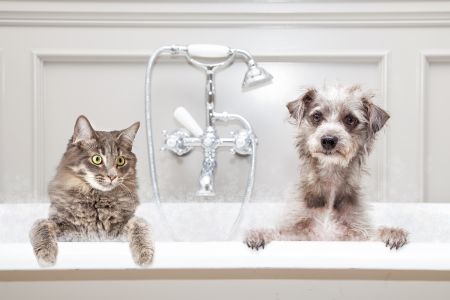
Why multi-pet grooming feels harder (and why it matters)
If you have both a cat and a dog, you’ve probably seen the same loop: fur everywhere, one pet tries to “help,” and grooming becomes stressful instead of calming. The good news: multi-pet grooming gets dramatically easier when you stop thinking “brush more” and start thinking “build a system.”
Multi-pet homes are common. The AVMA reports that 45.5% of U.S. households own dogs and 32.1% own cats, which means many families are juggling both species in the same space. Source: AVMA U.S. Pet Ownership Statistics.
Grooming isn’t only about appearance—it’s a practical part of preventative care: reducing mats, checking skin, and keeping shedding manageable. But in a mixed-species home, safety rules matter because cats and dogs don’t respond to products and handling the same way.
Quick “grooming architecture” for mixed-species homes
The 3-part system
- Separate what’s risky (certain products + certain tools).
- Standardize the order (who goes first + where grooming happens).
- Make it short and repeatable (5–10 minutes beats a 45-minute battle).
Shared vs. separate tools: what you can share safely
The biggest mistake in multi-pet households is assuming one brush + one spray works for everyone. Cats have thinner, more delicate skin and are obsessive self-groomers—meaning anything on their coat can become an “oral dose.”
Generally OK to share (with cleaning)
- Gentle daily brushes/comb tools that don’t scratch or pull
- Tools that are easy to rinse and wipe down between pets
- Neutral grooming cloths/towels you launder hot
Keep separate (or use strict cleaning)
- If either pet has a skin issue, parasites, or suspected ringworm
- If one pet has heavy shedding/undercoat and needs stronger de-shedding tools
- Nail trimmers (cats and dogs often need different sizes and designs)
Pro tip: Label two bins: CAT and DOG. It removes decision fatigue and keeps your routine consistent.
The #1 safety rule: dog flea/tick products can be dangerous for cats
In mixed households, one of the most serious risks is secondary exposure—a cat rubbing against or grooming a dog after a dog-only flea/tick treatment. The AVMA warns that dog-specific flea/tick products (such as those containing permethrin) should never be used on cats. Source: AVMA Household Hazards.
Safe household protocol
- If your dog uses a spot-on flea/tick product, separate your cat until it’s fully dry.
- Don’t let cats sleep on or groom recently treated dogs.
- If you’re unsure about an ingredient, ask your vet before using it around cats.
(This “toxicity gap” is one reason multi-pet grooming needs a system—not guesswork.)
The best grooming order (so pets stop interrupting each other)
Your order should reduce excitement and protect the pet most likely to feel threatened—often the cat. Use this simple default:
- Cat or calmer pet first (short, gentle session)
- Dog second (especially if your dog gets excited watching)
- High-energy pet last (puppies, playful cats, etc.)
Why it works: cats are more sensitive to “stacked” stress (noise, movement, restraint), and dogs can unintentionally raise the energy in the room. Keeping sessions predictable reduces stress signals escalating into swats, wriggles, or fear responses.
Set up a “grooming zone”
- One mat/towel for traction (especially for cats)
- One stable spot (bathroom counter, laundry room table, or a quiet corner)
- One “place” location for the other pet (dog bed / cat perch)
Hygiene that’s actually doable (cleaning tools between pets)
You don’t need a laboratory—just a repeatable routine. The key idea from professional sanitation logic is: clean first, then disinfect (you can’t disinfect hair-covered tools effectively).
60-second between-pet reset
- Remove hair (wipe + pull fur from the tool)
- Wash with warm soapy water if buildup is visible
- Dry completely (especially if the tool has metal parts)
- Optional disinfect if a pet has skin issues (follow your product label carefully)
If you suspect ringworm or other contagious skin issues, talk to your vet and consider separate tools until cleared.
A simple weekly multi-pet grooming routine (copy/paste)
3–4x per week (5–10 minutes)
- Quick brush-out for both pets (short and calm)
- Target high-shed areas: neck, back, “pants,” belly edges
- End before they get fidgety (leave them wanting “one more minute”)
1x per week (10–15 minutes)
- Check behind ears, under collar/harness zones, armpits
- Comb for small tangles (don’t yank—reset with gentle detangling)
- Wipe paws after walks (reduces tracked-in debris)
Every 2–4 weeks
- Nail trim (cats and dogs often need different tools)
- Refresh bedding (wash hot to reduce fur + dander)
Note: Avoid cutting mats with scissors—this can cause serious skin injuries. If a mat won’t brush out, contact a groomer or vet. Learn more (ASPCA).
Tool strategy for multi-pet homes: gentle beats aggressive
In mixed homes, gentle tools reduce the “fight” factor—especially for cats with thinner, more sensitive skin. Mist-assisted brushing also helps reduce static and tugging, which is a common trigger for grooming resistance.
Our pick for daily multi-pet grooming: Misty
Misty combines a detangling comb with a built-in misting system to soften fur and help grooming feel smoother and calmer. It’s designed for real life: portable, mess-free, and easy to use across cats and dogs.
- Softens tangles with a gentle mist (water or pet-safe leave-in)
- Detangles with less pulling and less static
- Quiet, calming feel for nervous pets
- Portable for after walks or quick daily sessions
FAQ (great for SEO + quick answers)
Can cats and dogs share grooming brushes?
Sometimes—if the tools are gentle and you clean them between pets. If either pet has skin issues, parasites, or you’re using any medicated products, keep tools separate until the issue is resolved.
What’s the safest grooming order?
Usually: calmer pet first (often the cat), dog second, high-energy pets last. Keep sessions short, predictable, and end before stress escalates.
What products are the biggest risk in multi-pet homes?
Dog-only flea/tick products that aren’t safe for cats—especially those containing permethrin—are a top concern. Always follow species-specific labels. AVMA guidance.
Final thoughts: turn grooming into a calm household ritual
Multi-pet grooming doesn’t have to be a weekly meltdown. When you standardize your tools, your order, and your short routine, you’ll see less shedding, fewer tangles, and calmer pets—without making your life harder.
If you want a daily tool built for mixed-species homes, Misty is designed to make grooming feel smoother, quieter, and more comfortable—so it becomes a moment of connection, not conflict.


